In the evolving marketplace of 2026, the UAE continues to be a global magnet for business and innovation. While English serves as the lingua franca of the international corporate world, Arabic remains the heartbeat of the nation’s legal, cultural, and social identity.
For brands looking to establish a lasting presence in Dubai and the wider Emirates, accurate English-to-Arabic translation is not a “value-added” service it is a mandatory pillar of success. Here is why linguistic precision in this specific language pair is critical for the UAE market.
1. Legal Precedence: The “Arabic-First” Rule
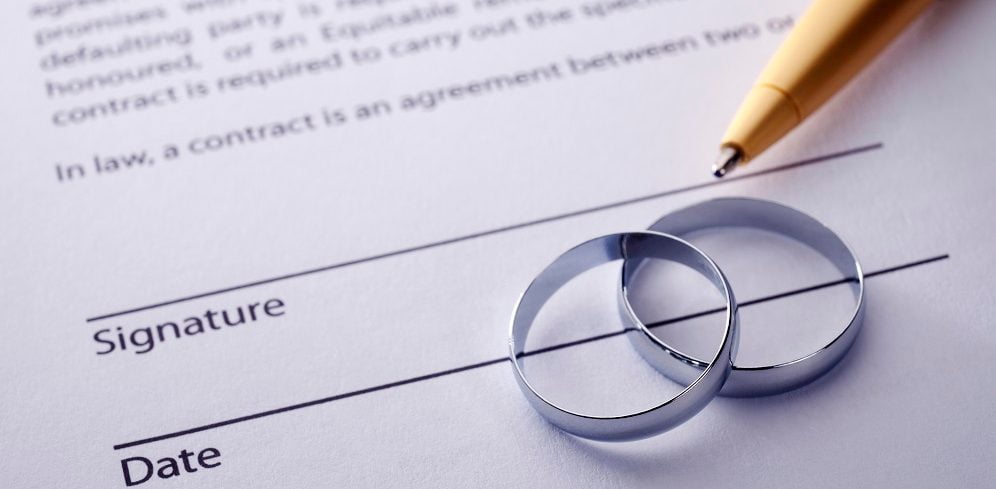
The most significant reason for accuracy is a legal one. In the UAE, Arabic is the official language of the state. This isn’t just a cultural preference; it is a foundational legal principle. Under federal law, if a contract is drafted in both English and Arabic and a dispute arises, the Arabic version takes legal precedence in the courts.
A minor mistranslation in an English-to-Arabic contract could inadvertently change a liability clause, a payment term, or a termination right. If that error exists in the Arabic text, your business is legally bound by it, regardless of what the English original intended. Professional legal translation ensures that the technical “legalese” of the English common law style is accurately adapted into the UAE’s Civil Law framework, protecting your rights and limiting your liabilities.
2. Mandatory Regulatory Compliance
Many businesses underestimate the extent to which Arabic is mandated by the government for daily operations. To operate legally in Dubai, specific documents must be available in Arabic to satisfy various ministries:
- Product Labeling: All consumer goods, from food to pharmaceuticals, must feature Arabic labeling. This includes ingredient lists, safety warnings, and instructions. Failure to comply can lead to heavy fines, product recalls, or even a ban on imports.
- Government Submissions: Communication with the Ministry of Labour, Dubai Municipality, and the Department of Economy and Tourism (DET) requires Arabic as the primary language.
- Employment Contracts: All labor contracts registered with the Ministry of Human Resources and Emiratisation (MOHRE) must be in Arabic or a dual-language format. An error in the Arabic translation of a salary figure or a job description can lead to unsolvable labor disputes.
3. Cultural Connection and Brand Trust
The UAE is a diverse nation where nearly 88% of the population is expatriates. However, the local Emirati population and the wider Arab diaspora represent the most influential and high-value consumer segments. Using high-quality Modern Standard Arabic (MSA) shows profound respect for the local culture.
Studies consistently show that consumers are far more likely to purchase a product if the information is presented in their native language. In fact, Arabic-localized social media content in the Gulf has been shown to drive significantly higher engagement than English-only posts. By speaking the language of the audience, a brand transforms from a foreign entity into a trusted local partner. In 2026, “brand equity” in the UAE is built on the foundation of cultural resonance and linguistic authenticity.
4. Avoiding the “Transcreation” Trap
English and Arabic are fundamentally different in structure, grammar, and tone. English is often direct and succinct, whereas Arabic is an expressive, poetic language that relies heavily on context and flow. A literal, word-for-word translation, a hallmark of low-cost AI tools, often results in “clunky,” confusing, or even offensive messaging.
Marketing slogans are particularly vulnerable. Western metaphors involving certain animals, social situations, or religious themes may be culturally insensitive in the Middle East. Transcreation, the process of adapting a message while maintaining its intent, style, and tone, is essential. Accurate translation ensures that your brand’s personality remains intact while speaking a language that feels natural to a native speaker.
5. SEO and Digital Visibility in a Bilingual Market
The digital landscape in the UAE is more competitive than ever. While many brands focus solely on English keywords, there is a massive, underserved market of users searching in Arabic. Arabic search queries often have lower competition, providing a “blue ocean” opportunity for savvy marketers.
- Local Search Ranking: Accurate Arabic translation allows your website to rank for local search queries, significantly increasing your organic reach.
- Reduced Bounce Rates: Landing pages translated into professional Arabic can drastically reduce bounce rates among native speakers. Users who can read about a product in their mother tongue are more likely to stay on a page, trust the information, and ultimately convert into customers.
6. The “Four-Eyes” Quality Standard
When businesses choose an English-to-Arabic service, they should look for a “Four-Eyes” quality protocol. This means the document is translated by one expert and then independently reviewed by a second senior editor. In the UAE, where a single mistranslated word in a court document or a medical report can have life-altering consequences, this double-layer of protection is essential.
Professional agencies also ensure that your data remains confidential. Legal and financial translations involve sensitive information that should never be processed through open-access AI platforms that store data. A dedicated translation partner provides the security infrastructure that your corporate governance demands.
7. Strategic Impact on B2B Relationships
In the B2B sector, providing your brochures, proposals, and tenders in high-quality Arabic signals a long-term commitment to the region. It shows your partners in the UAE that you aren’t just looking for a quick transaction, but are investing in a relationship. In the Gulf, where business is often built on personal trust and mutual respect, the quality of your Arabic communication can be the deciding factor in winning a major government tender or a private partnership.
Conclusion
In the UAE, language is more than a communication tool; it is a sign of professionalism, legal diligence, and cultural respect. By prioritizing accurate English-to-Arabic translation, businesses safeguard themselves against legal disputes, ensure regulatory compliance, and build a bridge of trust with the most influential consumers in the region. In a market as dynamic as Dubai, “getting it right” in Arabic is not just a preference; it is the ultimate competitive advantage for the modern enterprise.