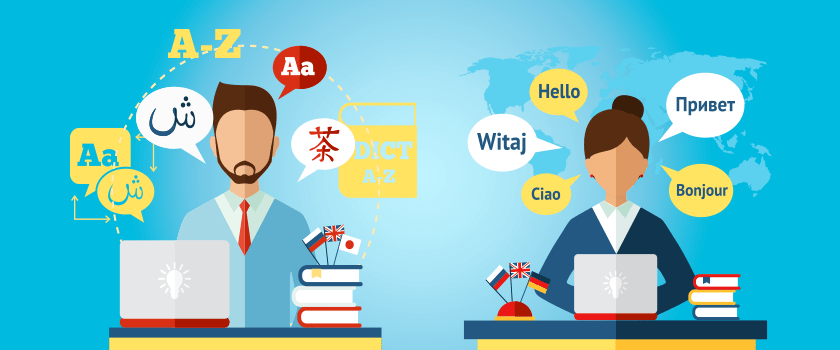
Technical manuals and safety guides are the pillars to the use of machinery, enforcing engineering design and assuring safety methods of work. These manuals usually have some complicated formats, schematics, cautions and troubleshooting information that should be comprehensible to end users of various languages. This is particularly essential given that the multicultural workforce in Dubai has made workers, engineers and technicians belong to different countries and possess very different languages.
When translated wrongly, the effects of translating technical manuals may be drastic. Even minor errors in localizing the voltage requirements, torque specification or warning sign can cause the furniture to be ruined, stop production or inflict severe accidents in the workplace. The severe safety standards in Dubai also contribute to the added importance, as the companies need to meet UAE and Dubai Municipality standards. The accuracy in translation aids in the fact that all information is conveyed properly with minimal risk and unlawful danger.
Specific knowledge of the industry makes the translation correct.
A highly specialised type of translation is represented by technical manuals and safety guides. Technical translation is dynamic as compared to general translation since extensive knowledge of the subject is needed. The translators should also understand the terms of engineering, mechanical concepts, safety procedures and the exact machinery in use. The industries of Dubai, such as construction, aviation, oil and gas, logistics, and manufacturing, are highly technical in nature and therefore demand highly skilled translators in the field of domain.
As an example, the guide to the use of the industrial compressor or the guide to use heavy machinery have terms that cannot be translated into the common words. A translator who has technical knowledge is able to decode the setting of each word and that the translation will maintain the original meaning which was intended by the manufacturer. Such accuracy helps to avoid misunderstandings and makes workers obey the directions. Subject-matter specialists and engineers also join forces with technical translators in Dubai, where accuracy is very much needed, especially the highly difficult guides.
Meeting the UAE regulations and international standards.
Dubai is a strict standard which requires compliance in all industries more so, machinery, electrical system, chemicals and construction. The technical manuals and safety documentation should address the needs of the regulators who may include the Dubai Municipality, the Dubai Civil Defence, the Ministry of Human Resources and Emiratisation and other authorities in the free zone.
A good translation guarantees adherence to the required levels of safety communication requirements within the companies, especially when handling imported equipment or foreign suppliers. Lots of foreign producers use local translation to make their manuals conform to the UAE standards, such as the necessity of the Arabic language. A translated manual that is not mistranslated can cause regulatory non-conformance, approval or penalty delays on licensing. The accurate translation of the language aids the companies to move freely through the regulatory process, and the documents are also properly aligned with the international and local safety standards.
Increasing the Multilingual Workforce Safety.
The employees of Dubai are from dozens of nations, the majority of which have to deal with machines, construction gear, digital technologies, and industrial appliances every day. Technical manuals and safety guides are the tools of communication that can be applied universally to prevent accidents on the workplace. Yet, translation of such documents is poor, the workers can fail to comprehend significant warnings, emergency measures or working flow.
Accurate translation guarantees that all workers, irrespective of the languages, get clear instructions that safeguard them. As an illustration, lockout/tagout procedures, handling hazardous materials, temperature, emergency shutdown, etc., instructions should be translated with no mistakes whatsoever. Such clarity substantially decreases the amount of human error and leads to an environment of greater safety that is desirable in such industries as construction, manufacturing, logistics and energy.
Avoiding Ineffective Operational Frauds.
Clear documentation is very important to the efficient operations of the industrial and technological sector of Dubai. Malfunction of machinery, wrong settings, and troubleshooting procedures are mostly a result of this misunderstanding due to the improper interpretation of the translated. Such mistakes may cause a breakdown in the equipment, delays, and losses in production.
Precision translation assists organisations to reduce these risks since the workers receive dependable instructions, which they can act upon without fear upon. The quality of the translated manual will affect the performance directly, whether a technician is assembling equipment or calibrating the devices, doing some maintenance or troubleshooting the problem. Good quality translation saves on time and makes sure that the work goes on as intended without unnecessary interruptions.
Enhancing Global Cooperation and Technological Exportation.
The fact that Dubai is a global business center indicates that there are companies that frequently work with other providers, suppliers and manufacturers internationally. Safety manuals and technical manuals are some of the important tools of communication in such co-operations. Accurate translation makes knowledge transfer to occur successfully, especially in such areas as IT, automation, engineering and aviation.
When multinational teams engage in collaboration in undertaking projects in Dubai through proper documentation, each of the people will follow the same direction, irrespective of the language they speak. This reinforces project results, and improves teamwork and lessens the occurrence of miscommunication between foreign and local teams.